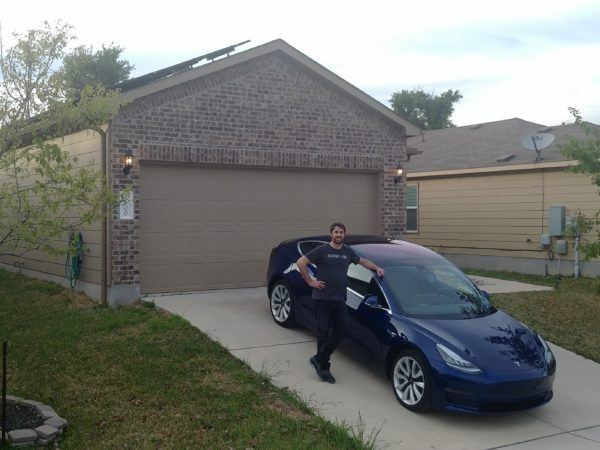
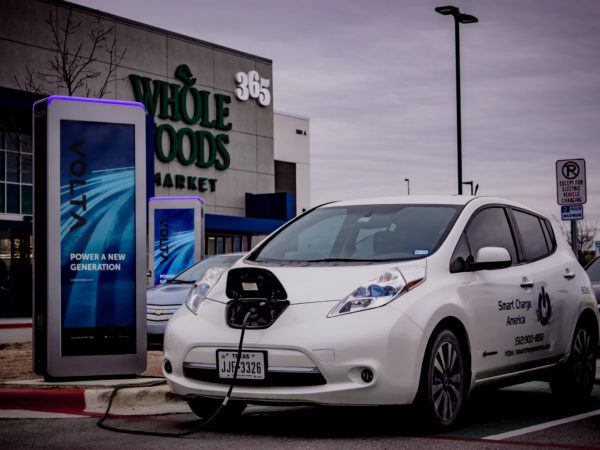
These days, it’s hard to walk around your neighborhood and NOT notice the number of electric vehicles parked in driveways. Without a front grill or an exhaust pipe, or the telltale sign of an oil stain on the pavement, you might not even know what it’s capable of. So, buckle in and get ready to see what this machine can do.
It’s… a car!
It’s… a generator!
It’s… a potential life-saver!
It’s actually all of these and more, but it used to be that buying a car was just about getting from point A to point B. You bought a vehicle, filled it with gas, and drove it until the tank hit empty. But electric vehicles have changed the equation entirely—and bidirectional charging is leading that transformation.
Today’s EVs are no longer just transportation; they are essentially giant, mobile battery energy storage systems sitting right in your driveway. Through Vehicle-to-Load (V2L) technology, modern 2026 models allow drivers to draw AC power directly from the vehicle’s main high-voltage battery.
Whether you are tailgating before the big game, running power tools on a remote job site, or keeping essential home appliances running during a neighborhood blackout, V2L makes it possible without the noise, fumes, or hassle of a traditional gas generator.
Recent coverage from Charged EVs Magazine highlights that consumer demand for home resilience features is rapidly reshaping how buyers evaluate new vehicles. Instead of viewing a car as a depreciating asset, owners are beginning to see their EV as an emergency backup for their household energy grid. A typical EV battery pack holds anywhere from 60 to 100 kWh of energy—enough to power a standard household’s critical circuits (like your refrigerator, Wi-Fi, lights, and medical devices) for several days during an emergency.
However, utilizing these advanced vehicle features requires the right home setup. While a standard V2L adapter allows you to plug individual appliances directly into the vehicle’s onboard outlets, safely backing up your home’s electrical panel requires a professionally installed transfer switch or bidirectional-compatible Level 2 charging station.
Installing a dedicated home charger isn’t just about speed; it’s about making sure your home’s electrical infrastructure is safely configured to handle the load. Every home’s wiring is a little different, and trying to cut corners on electrical infrastructure can lead to tripped breakers or safety hazards.
We’ve specialized exclusively in electric vehicle supply equipment (EVSE) installation for years, and our master electricians have installed thousands of units safely. If you’re curious about how to prepare your garage or electrical panel for a V2L-capable EV, we’d love to chat and walk you through the options.